
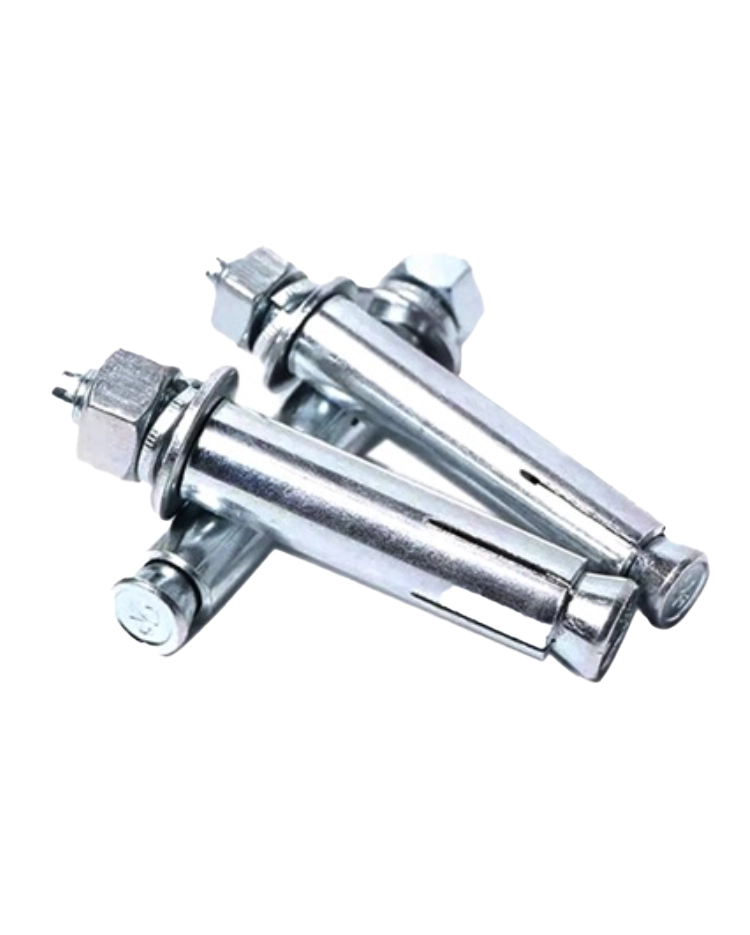
Anchor Bolts and Structural Connections for Middle East Mega-Projects
GB/T1228 and GB3632 structural assemblies — 10.9S property class, torque coefficient control, torsion-shear bolt installation, and on-site calibration for steel structures and bridges.
Cast‑in rods, plates, and hardware compatibility
Specify ASTM F1554 anchor rods with grades matched to design tension and ductility needs. Pair with ASTM A563 nuts and F436 washers sized for HDG thread tolerances and lubrication strategy. Define headed vs hooked vs straight embedments, projection schedules, and welding of embed plates with post‑weld corrosion protection compatible with galvanizing where both apply.
Product focus: anchors & structural fasteners and bolts & nuts.
Post‑installed anchors and design frameworks
Mechanical (wedge/undercut) and adhesive (epoxy/vinylester) anchors must be selected using ACI 318 Chapter 17 or European ETA/EAD routes with attention to cracked concrete, seismic qualification, temperature limits for adhesives, and hole cleaning procedures that crews can sustain on site.
Documentation should include ETA/ICC‑ES reports, installation logs, and proof loads where the specification demands.
Corrosion, torque, and QA for GCC sites
Map exposure with ISO 9223: HDG suits many inland and industrial settings; coastal splash and marine zones move toward stainless A4 or duplex 2205 and engineered coating systems. Isolate galvanic couples and detail water shedding away from threads and crevices.
Establish nut factors for coated vs bare rods, calibrate tools, manage stainless galling with anti‑seize and controlled speeds, and protect threads until final torque verification. Require EN 10204 3.1 MTCs, coating thickness reports, and zone‑labeled crates through Jebel Ali staging.
For mega‑project schedules, combine industry‑use fasteners packages with anchor schedules via contact.
Related articles
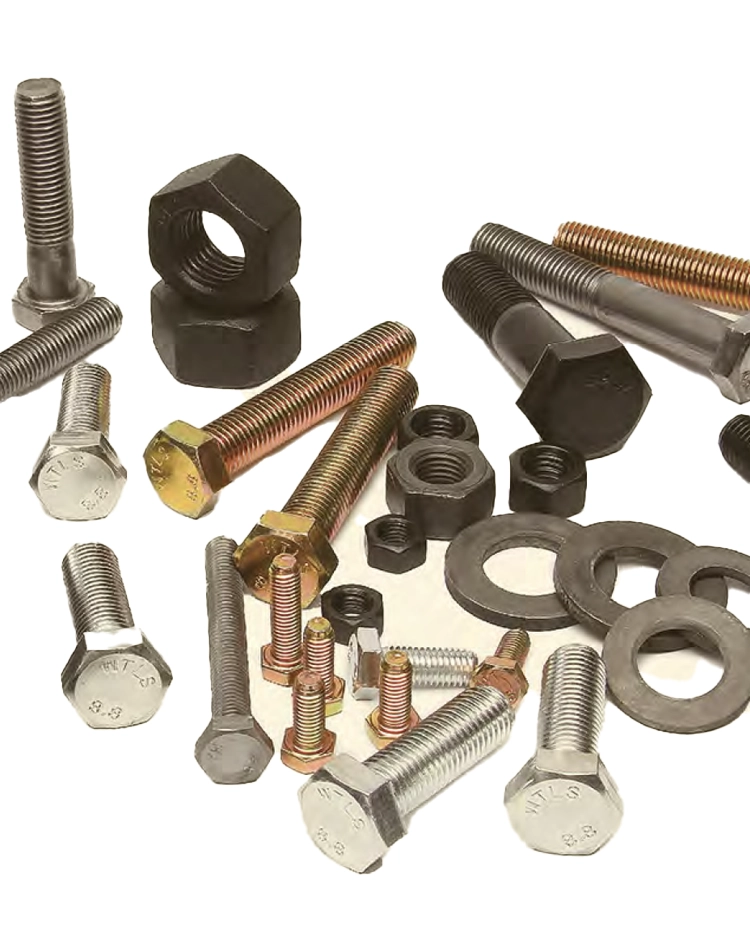
Industrial Fasteners UAE: The Definitive B2B Selection Guide for GCC Projects
Standards-grounded framework for specifying bolts, nuts, screws and anchors — ISO 898-1, ISO 3506, ASTM F3125. Material/coating choices for hot-arid and marine climates, corrosion mapping, torque guidance, and Jebel Ali-centric logistics.
Read article →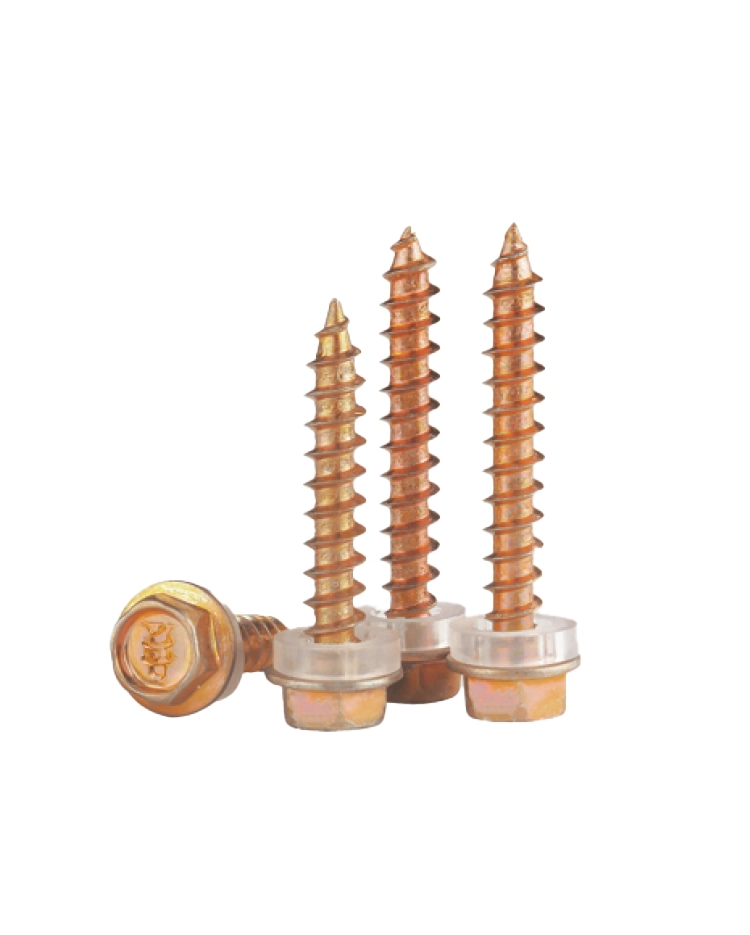
Corrosion-Resistant Fasteners for Coastal and Desert Middle East Environments
How to match ISO 9223 atmospheric corrosivity categories (C3-CX) to coating systems. HDG vs zinc-flake vs stainless — hydrogen embrittlement management, galvanic isolation, and salt spray testing for GCC projects.
Read article →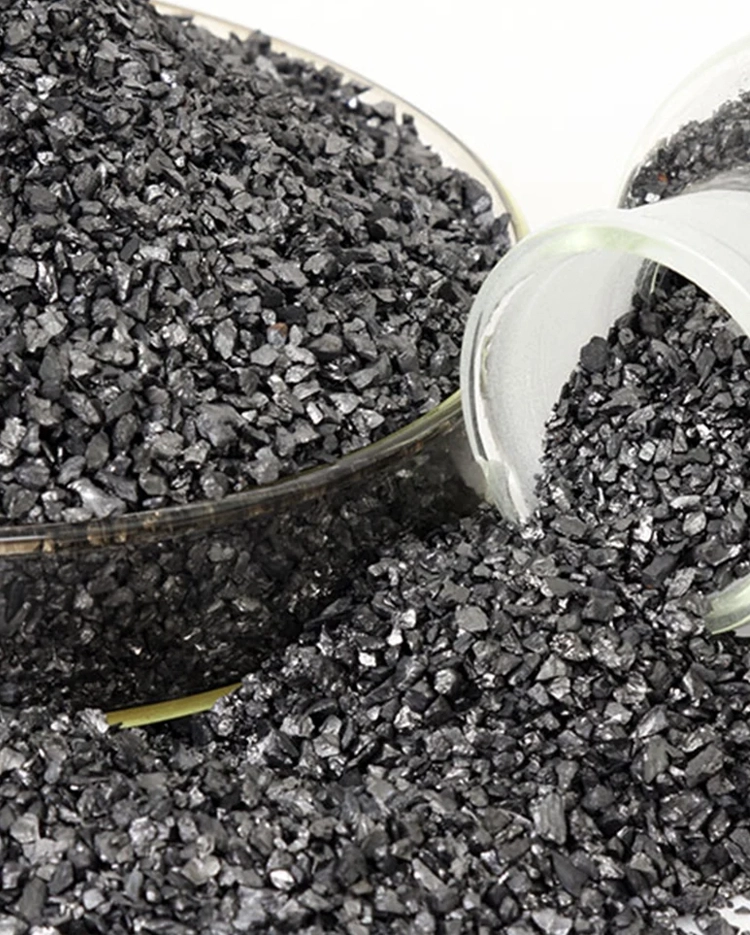
Carbon Additives for Steel Production in the Middle East: CAC vs GPC vs SiC
Complete guide comparing calcined anthracite (CAC), graphite petroleum coke (GPC), and silicon carbide (SiC) for EAF/ladle practice — covering specifications, absorption rates, dosing strategies, QA, and logistics for DRI-EAF operations in the GCC.
Read article →