Carbon Additives for Steel Production in the Middle East: CAC vs GPC vs SiC
Complete guide comparing calcined anthracite (CAC), graphite petroleum coke (GPC), and silicon carbide (SiC) for EAF/ladle practice — covering specifications, absorption rates, dosing strategies, QA, and logistics for DRI-EAF operations in the GCC.
Introduction
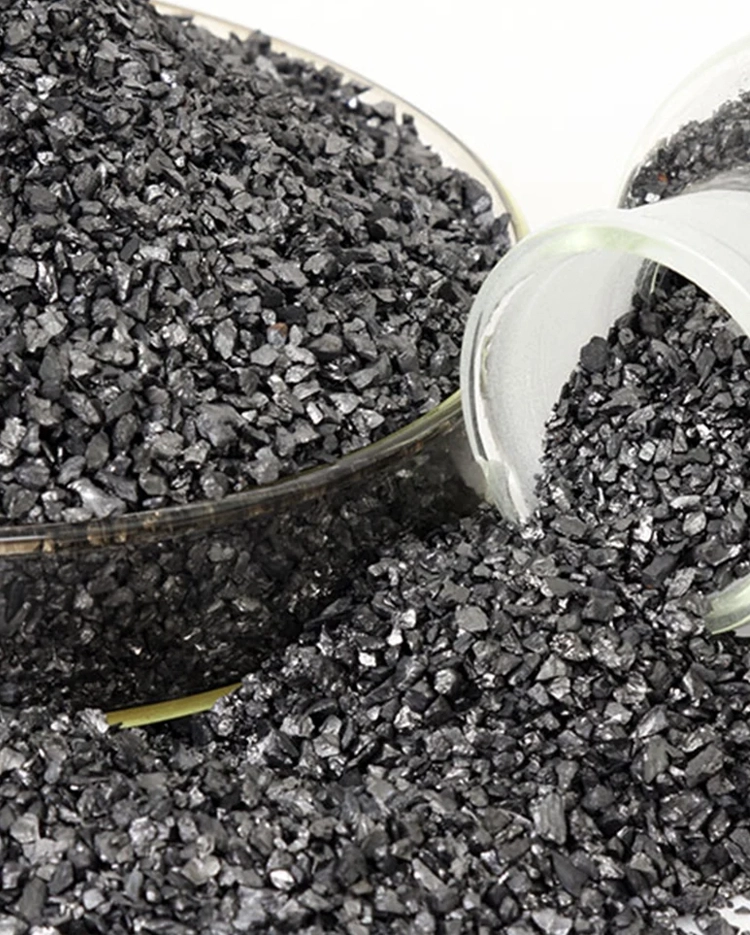
Most Middle East steel capacity is electric arc furnace (EAF), increasingly paired with direct reduced iron (DRI). That context makes carbon control critical: DRI often arrives with low residual carbon and high iron oxide content, demanding careful carbon additions to recover metal yield, refine slag chemistry, and achieve final steel specifications. Carbon additives—calcined anthracite coal (CAC), graphite petroleum coke (GPC), semi‑coke, and silicon carbide (SiC)—are the practical tools metallurgists use at the furnace and ladle.
This guide compares recarburizers for EAF/ladle operations in hot‑arid GCC conditions and outlines QA and logistics aligned with Dubai, Abu Dhabi, KSA, and Qatar. Explore our carbon additives and ferroalloys & carbides for mill‑ready supply.
Process context: DRI‑EAF and why carbon matters
Typical DRI features high FeO and low residual C. Without prompt carbon additions and deoxidation, plants pay in yield loss (iron oxidized to slag), longer power‑on time, and more flux/energy use. Carbon chemically reduces iron oxides, improves foamy slag stability, and supports ladle trimming and nitrogen control via recarburizer choice.
- EAF charge carbon: Into bucket or continuous feed to target foamy slag and early oxide reduction.
- EAF injection: Fine carbon through lances; CAC/semi‑coke common.
- Ladle recarburization: High‑purity GPC for final tap/ladle carbon with focus on low S and low N.
Across MENA, recarburization is a standard operating step—model and measure carbon additions like alloy additions, not as undifferentiated bulk commodity.
Materials compared: CAC, GPC, and SiC
CAC (typical FC ~90–95%, S ~0.10–0.50%): Strong for charge carbon and EAF injection; cost‑effective; higher ash and variable sulfur vs premium GPC. GPC (FC ~98.5–99.9%, low S/N): Preferred for ladle recarburization when cleanliness and fast pick‑up matter. SiC (~88–98% SiC): Adds carbon and silicon; strong deoxidizer; can aid desulfurization—balance silicon input with grade limits.
| Material | Primary role | Watch‑out |
|---|---|---|
| CAC | Charge / injection / economical ladle (where S/N allow) | Ash, S vs GPC; ladle absorption often lower than graphite |
| GPC | Ladle trim, low‑S steels | Premium pricing; control dust and fume on addition |
| SiC | Hybrid C+Si, deoxidation, foamy slag | Si balance; cost per effective C vs GPC/CAC |
Absorption and dosing
Absorption varies with temperature, bath turbulence, PSD, slag FeO, and addition method. GPC in a well‑stirred ladle often achieves high absorption vs CAC; SiC should be tracked for both C and Si recovery.
- Deoxidize first to cut FeO losses before carbon trim.
- Add under turbulence (tap stream or argon‑stirred ladle).
- Tune PSD (e.g. 0.5–2 mm for ladle) with plant trials.
- Sequence additions to avoid late oxygen lancing after carbon.
For ladle GPC (low sulfur), a starting spec band is FC ≥ 99.0%, S ≤ 0.05%, N ≤ 0.03%, with EN 10204 3.1 and supplier absorption curves. For charge/injection CAC, typical targets include FC ≥ 92%, S ≤ 0.30%, with PSD matched to your injection system.
QA, documentation, and GCC logistics
Require EN 10204 3.1 per batch: FC, S, N (where specified), ash, VM, moisture, PSD, and tramp elements. Link lot IDs to heat numbers in ERP/LIMS; verify incoming moisture and bag integrity. Compare suppliers on absorbed carbon, not delivered carbon alone—energy, time, and yield often dominate ROI.
PansonGlobal supports moisture‑safe packing, consolidated shipments through Jebel Ali, and technical alignment on absorption trials. When you are ready to qualify grades for your heat practice, start from our carbon additives product line and contact the team for a plant‑specific program.
Related articles
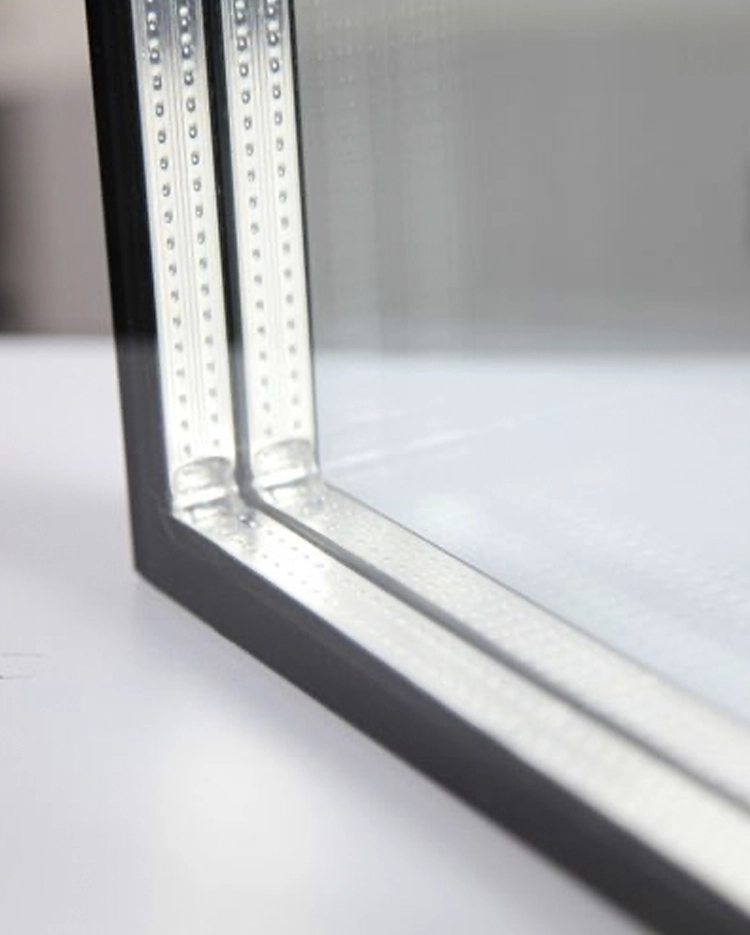
Energy Efficient Glass Middle East: Low-E, SHGC & U-Values for Desert Climates
Technical guide to Low-E, SHGC, U-value and IGU specifications for Dubai, Abu Dhabi and KSA. Ready-to-use specification patterns for Class A offices, hotels, and healthcare — covering Al Sa'fat, Estidama, and SBC 601 compliance.
Read article →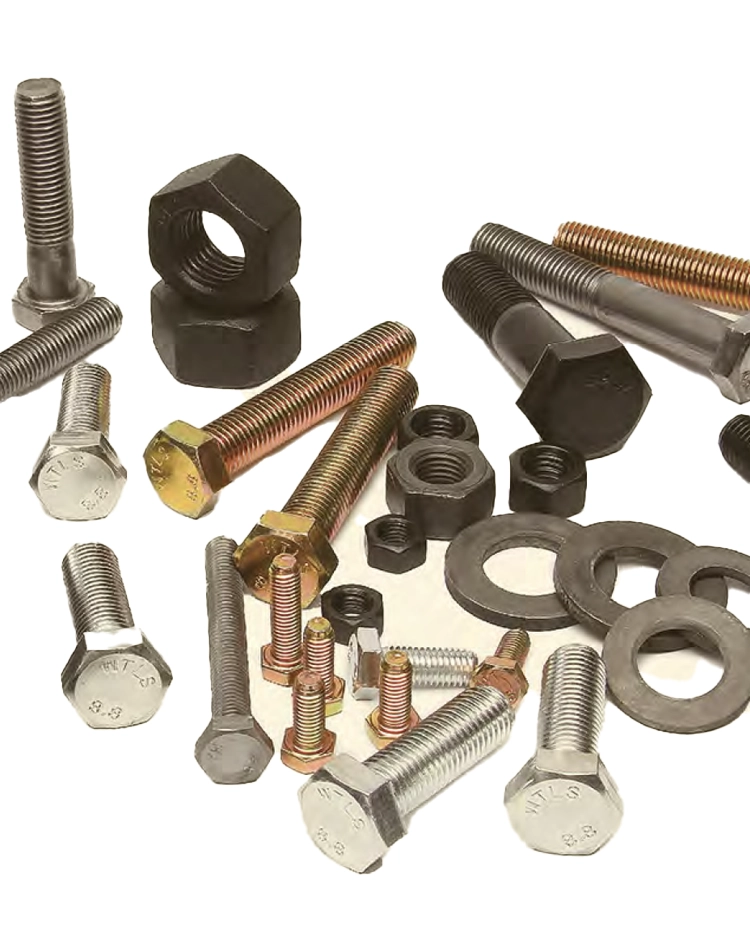
Industrial Fasteners UAE: The Definitive B2B Selection Guide for GCC Projects
Standards-grounded framework for specifying bolts, nuts, screws and anchors — ISO 898-1, ISO 3506, ASTM F3125. Material/coating choices for hot-arid and marine climates, corrosion mapping, torque guidance, and Jebel Ali-centric logistics.
Read article →
Low-E Glass Suppliers in Dubai: What to Specify for GCC Climates
Key factors when sourcing Low-E glass for UAE projects — single, double, and triple silver coating selection, Tvis/SC performance data, tempering compatibility, IGU pairing, and mockup processes.
Read article →