
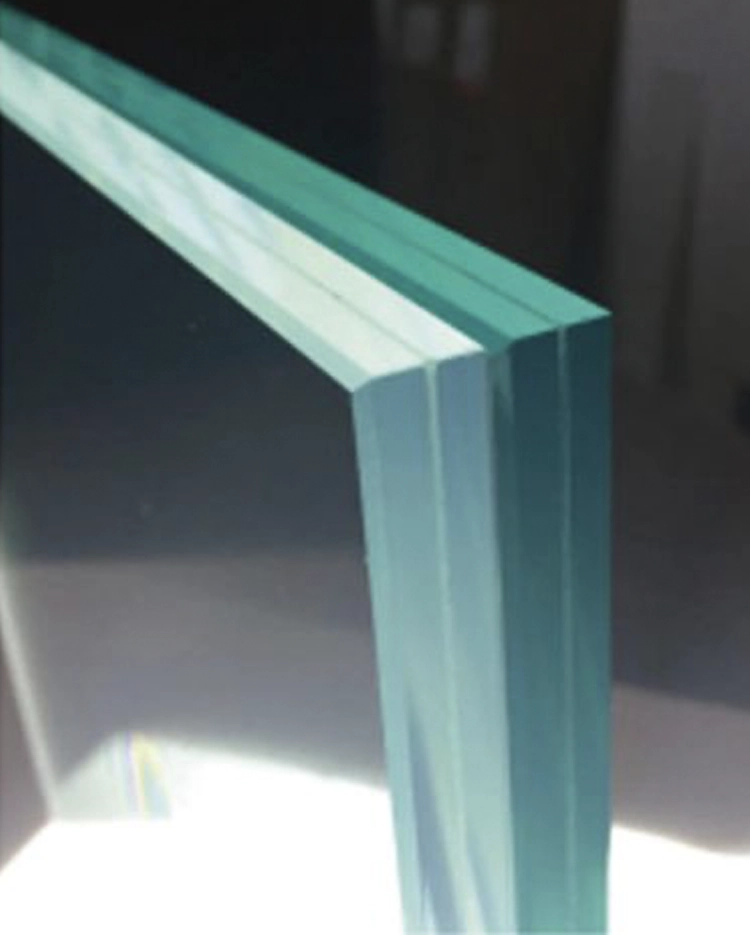
Laminated Glass for Safety, Acoustics & Design in Middle East Projects
PVB, EVA, and SGP interlayer comparison for facade, balustrade, canopy, and skylight applications. Acoustic performance (STC), UV filtering, and colored/coated lamination for premium hospitality.
Standards and conformity
Require EN 14449 / ISO 12543 product conformity with factory production control. For security, specify tested classes: EN 356 manual attack, EN 1063 ballistic BR levels, EN 13541 blast resistance tied to design impulse/pressure.
Impact safety for doors and balustrades references EN 12600 / ANSI Z97.1. Structural laminates for line‑loaded guards should be engineered with interlayer stiffness in mind. Primary product: laminated glass.
Interlayer selection: PVB, acoustic PVB, and SGP
Standard PVB delivers adhesion and impact performance with more creep at elevated temperature/load and higher edge moisture sensitivity unless protected. Acoustic PVB improves damping in speech and traffic bands. SGP (ionoplast) is roughly five times stiffer than PVB at service temperatures—preferred for balustrades, canopies, fins, and coastal façades where edge stability matters.
Choose based on structural deflection, post‑breakage behavior, acoustics, and coating/frit compatibility statements from the laminator.
Typical makeups and design details
Façade vision (inside IGU): e.g. 6 mm HS + 0.76 mm PVB + 6 mm HS inner lite with tempered/HS outer and Low‑E. Balustrade: e.g. 10 mm tempered + 1.52 mm SGP + 10 mm tempered, engineered for line load and fixings. Overhead: heat‑soak tempered plies, edge shielding, drainage, and ceramic frit borders where UV edge exposure exists.
Coordinate with Low‑E and IGU targets for combined energy and safety performance.
QA and Middle East deployment
Submittals need test reports for the exact build‑up, visual inspection criteria (distance/angle/lighting), and crate‑to‑elevation traceability. Protect deliveries from prolonged edge exposure in Gulf heat; plan spare lites for critical guards.
Codes across Dubai, Abu Dhabi, and KSA accept EN/ASTM evidence when accredited labs and engineers sign off—align early with AHJ expectations.
مقالات ذات صلة
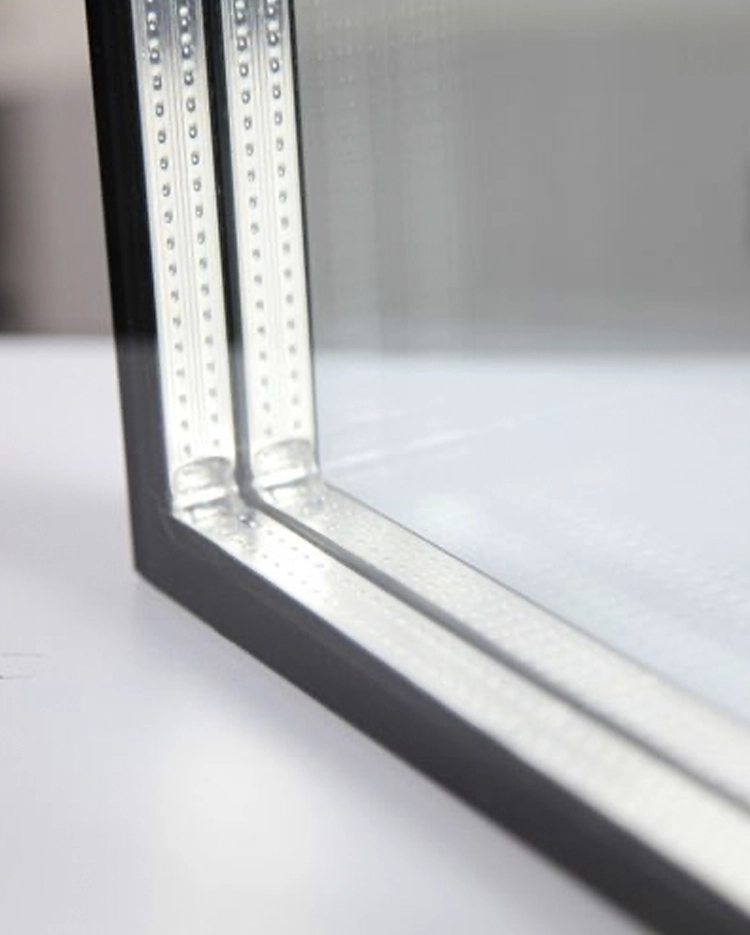
Energy Efficient Glass Middle East: Low-E, SHGC & U-Values for Desert Climates
Technical guide to Low-E, SHGC, U-value and IGU specifications for Dubai, Abu Dhabi and KSA. Ready-to-use specification patterns for Class A offices, hotels, and healthcare — covering Al Sa'fat, Estidama, and SBC 601 compliance.
اقرأ المقال ←
Low-E Glass Suppliers in Dubai: What to Specify for GCC Climates
Key factors when sourcing Low-E glass for UAE projects — single, double, and triple silver coating selection, Tvis/SC performance data, tempering compatibility, IGU pairing, and mockup processes.
اقرأ المقال ←
Smart Glass Technology: Trends Shaping Middle East Architecture
From electrochromic to PDLC — how switchable glass, BIPV integration, and self-cleaning coatings are transforming building design across Dubai and the wider GCC for net-zero targets.
اقرأ المقال ←